
Ceremonies Conducted in the Language Your Family Speaks
Multilingual Wedding Officiant Services in New York for couples and families needing ceremonies conducted in multiple languages
Language shapes how families experience a wedding ceremony, and monolingual services exclude relatives who do not speak English fluently. Cantor Daniel Pincus offers multilingual wedding officiant services in New York, conducting ceremonies in multiple languages to ensure inclusive communication for diverse families. This approach addresses the reality of international couples, immigrant families, and multicultural weddings where guests speak different primary languages, allowing everyone present to understand and participate in the ceremony rather than passively observing.
Multilingual ceremonies involve either fully bilingual officiating where the ceremony is conducted sequentially in two languages, or selective translation of key elements such as vows and readings. Customized multilingual vow and reading support ensures both partners can express their commitment in their native language if desired, and families hear the ceremony in a language they comprehend. Ceremony styles and traditions remain flexible, accommodating cultural expectations from both linguistic backgrounds.
Request a planning consultation to identify which languages are needed and how multilingual elements should be structured within the ceremony.
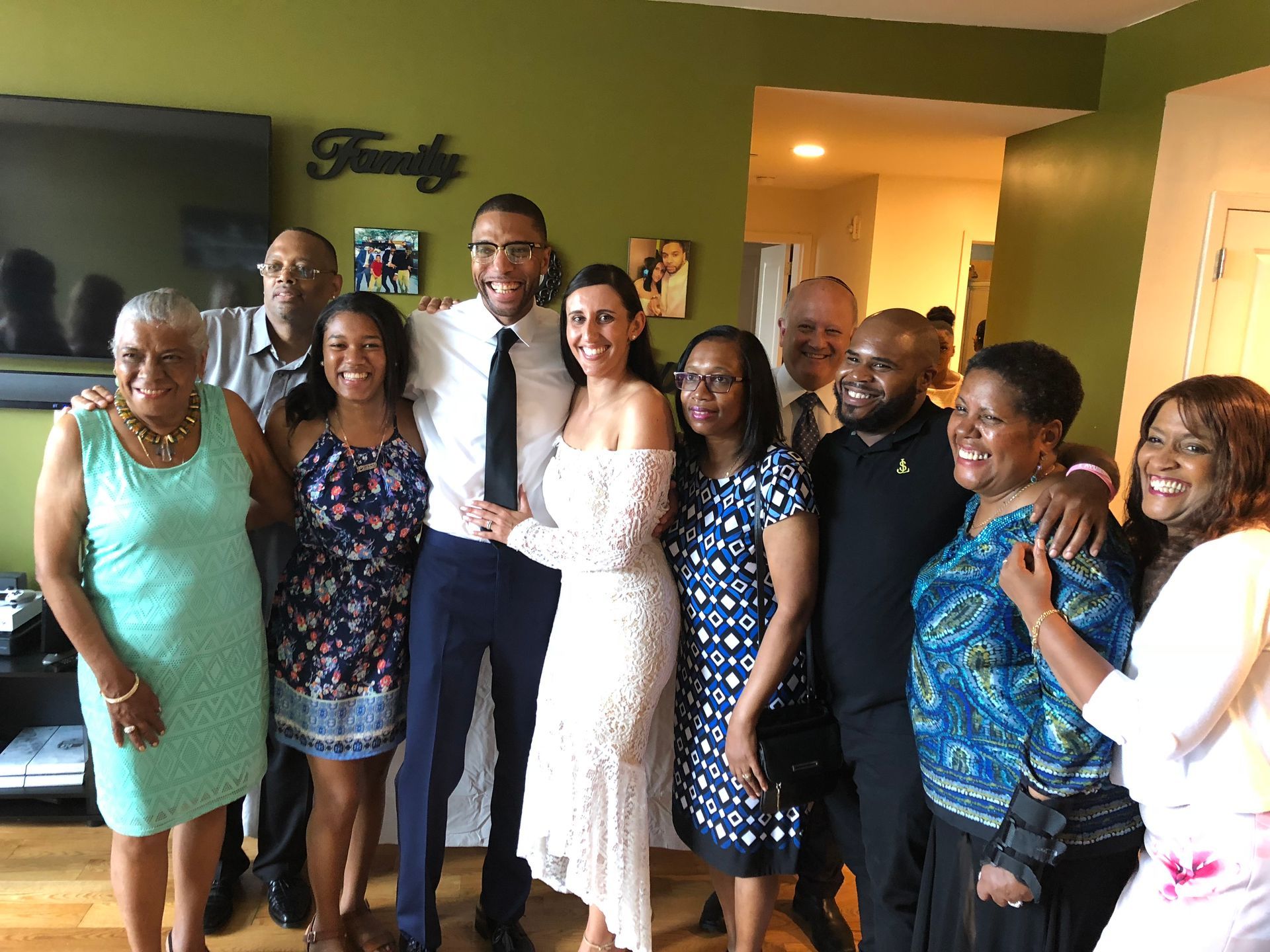
What Changes After a Ceremony Includes Multiple Languages
Conducting a ceremony in multiple languages requires planning how language transitions occur, ensuring each linguistic section flows naturally rather than feeling disjointed or repetitive. The officiant structures the service so translations enhance understanding without creating excessive length or redundancy, and determines which elements require full bilingual treatment versus selective translation based on guest composition and family priorities.
You and your guests experience a ceremony where language barriers do not prevent emotional connection or comprehension, with family members able to follow the proceedings and understand the vows being exchanged. This inclusivity prevents the alienation that occurs when significant portions of a wedding's guests cannot understand what is being said, and allows elderly relatives or non-English-speaking family members to participate fully in the celebration.
The service works for international couples marrying in New York, multicultural weddings where families speak different languages, or couples wanting to honor their heritage by including their ancestral language in the ceremony. Personalized experiences accommodate families from all linguistic backgrounds, with the officiant adapting ceremony length and structure based on the number of languages involved and the desired formality level.
What Property Owners Usually Ask
Couples planning multilingual ceremonies often need guidance on how language integration works and what level of translation is necessary for their specific situation.
What languages are available for wedding ceremonies?
The officiant provides ceremony services in multiple languages based on the couple's needs, with specific language availability confirmed during initial consultation, ensuring accurate pronunciation and cultural appropriateness for each linguistic component.
How does a bilingual ceremony flow without becoming too long?
The ceremony is structured to balance inclusivity with reasonable length, typically by fully translating core elements like vows and key readings while summarizing or selectively translating other sections, maintaining engagement without excessive repetition.
What happens if the couple wants to exchange vows in different languages?
Each partner can recite vows in their preferred language, with the officiant providing context or brief translation for guests, allowing personal expression while maintaining comprehension for all attendees regardless of which language they speak.
How are readings and family participation handled in multilingual ceremonies?
Readings can be assigned to family members who speak each language, or the officiant can deliver multilingual readings, with family participation structured to include speakers of both languages in meaningful roles throughout the ceremony.
What cultural traditions are accommodated alongside multilingual elements?
The ceremony integrates cultural customs from each linguistic background, combining symbolic rituals, traditional blessings, or ceremonial structures that reflect both heritages, creating a service that honors the couple's full multicultural identity.
Cantor Daniel Pincus creates wedding ceremonies that speak to your family in the languages they understand. Call to discuss how multilingual officiating can make your ceremony inclusive for all guests.